Wood Fence Installation Cost Per Linear Foot Texas
By the Home Exterior Cost Guides Editorial Team — reviewed for accuracy. Last updated October 2026. This article is for informational purposes and reflects typical market pricing; verify current details with licensed contractors before starting any project.
Texas wood fences run $13-$45 per linear foot installed — cedar premiums and clay soil make post depth the detail that decides the lifespan.
This guide prices Texas wood fencing honestly: per-foot rates by material, the post setting the lifespan runs on, and the quotes worth comparing per linear foot.
Wood Fence Installation Cost Per Linear Foot Texas — At a Glance for US
A 150-foot wood fence in Texas runs $13–$45 — material choice and post depth carry the range. This is a realistic planning number for the United States in 2026, not a marketing low-ball.
| Line Item | Typical Range (USD) | What Drives It |
|---|---|---|
| Pressure-treated pine per ft | $13–$25 | Installed with posts and rails |
| Cedar per foot | $18–$45 | Rot resistance the premium buys |
| Post setting each | $30–$80 | Concrete footing the clay wants |
| Remove old fence per ft | $2.0–$6.0 | Tear-out and haul |
| Stain and seal per ft | $2.0–$5.0 | UV protection the calendar wants |
Understanding Wood Fence Installation Cost Per Linear Foot Texas
Texas wood fencing runs $13-$45 per linear foot installed: a 150-foot run prices $1,950-$6,750. Pressure-treated pine serves the budget; cedar serves the decade by resisting the humidity and sun that eat pine.
Post setting carries the lifespan: Texas clay wants 24-30 inch post depth — the shallow post leans in the first storm. Concrete footing runs $30-$80 per post; the honest quote itemizes it.
What Moves the Price Up or Down
The price moves with wood species, fence height, post depth, and any tear-out the old fence demands.
| Factor | Cost Impact | Detail |
|---|---|---|
| Wood species | +35-70% | Cedar rot resistance prices the premium |
| Fence height | +20-40% | Six-foot privacy standard; eight-foot premium |
| Post depth | +15-25% | Clay soil the footing demands |
| Tear-out | +10-20% | Old fence removal and haul |
| Staining | +10-15% | UV protection extends the calendar |
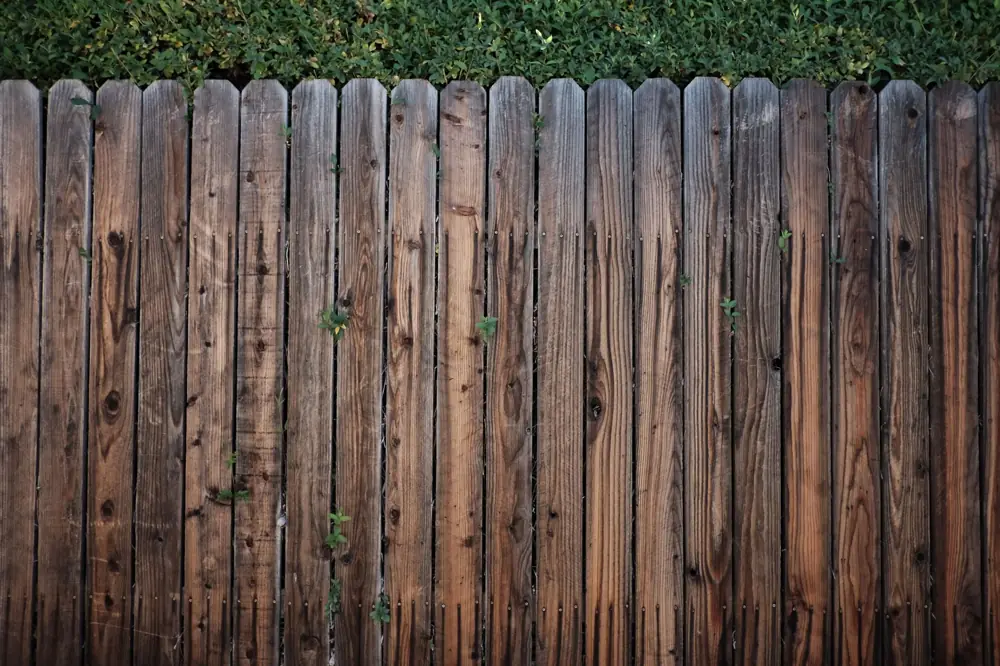
Texas Wood Fence Materials Compared
The aisle offers three woods — the Texas climate sorts them within five years.
| Option | Description | Best For | Cost Level |
|---|---|---|---|
| Pressure-treated pine | Budget standard, chemical rot resistance | Cost-conscious runs | $13-$25/ft |
| Cedar | Natural rot resistance, decade service | Long-term owners | $18-$45/ft |
| Composite wood-look | Maintenance-free color | No-stain preference | $25-$45/ft |
Cedar serves the Texas decade honestly — pine runs five years, composite never wants the stain.
Three Realistic Project Scenarios
The pine budget run — $1,950–$3,750
A 150-foot privacy run in pine.
- Pine panels and posts — $1,300–$2,500
- Post setting 19 posts — $570–$1,100
Why this matters: Pine serves the budget: stain extends the five-to-eight year calendar.
The cedar decade fence — $2,700–$6,750
A 150-foot cedar privacy run.
- Cedar pickets and rails — $2,400–$5,400
- Posts and setting — $600–$1,200
Why this matters: Cedar serves the decade: rot resistance is what the premium buys.
The full replacement — $2,400–$7,350
Tear-out included with the cedar build.
- Tear-out and haul — $300–$900
- Cedar build — $2,100–$6,450
Why this matters: The replacement adds the tear-out: old fence removal is the separate line.
The scenarios share the structure: species prices the lifespan, post depth survives the storm, and tear-out adds the scope.
Sample Budget Breakdown
The table below shows how a typical mid-range budget for wood fence installation cost per linear foot texas distributes across materials, labor and compliance in the United States. Adjust the percentages to your own scope before using it as a savings target.
| Category | Estimated Amount | Explanation | Optimization Tip |
|---|---|---|---|
| Materials | $1,300–$5,400 | Species decides the budget | Cedar serves the decade |
| Post setting | $570–$1,200 | Footing carries the lifespan | Concrete depth the honest quote itemizes |
| Tear-out | $300–$900 | Old fence removal | The separate haul line |
| Stain and seal | $300–$750 | UV calendar extension | Reapply every 2-3 years |
Every figure above is an indicative 2026 market range. Final quotes move with site conditions, contractor availability and the exact specification you lock in.
From Quote to Completion: the Typical Timeline
Most wood fence installation cost per linear foot texas projects follow the same five-stage rhythm. Knowing the calendar before you sign prevents the two classic frustrations — feeling rushed into a deposit, and being surprised by a mid-project gap while materials arrive.
- Week 1-2: material selection and layout — The style, height, and gate placement the design fixes; the utility-locate ticket the law requires before any dig.
- Permit and HOA where required: 1-4 weeks — Height, style, and setback rules the municipality and covenants review; the variance the boundary dispute sometimes forces.
- Build: 2-5 days — Post setting, panel hanging, and gate hanging the crew sizes the run by; most residential fences finish inside a week.
- Grade and cleanup: 1 day — The spoil removal and the backfill the finish wants; the final walk the punch list runs.
- Week 0: measure the line and three quotes — The measured run and the post count the quotes itemize; per-linear-foot normalization the same day.
Smart Ways to Control the Budget
Cost control on wood fence installation cost per linear foot texas is mostly about scope discipline and timing. These are the strategies that consistently deliver the largest savings:
Buy the material the climate writes
Pressure-treated pine, cedar, and vinyl each price and age differently in sun and humidity markets; the material the local failure pattern selects.
Advantages:
- Directly reduces the controllable parts of the quote
- No impact on quality or compliance when scoped correctly
Disadvantages:
- The wrong material ships fine — it warps in year two.
- Requires planning lead-time you may not have on urgent timelines
Phase the run across seasons
The front run this spring, the back run next season — the phased budget the cash flow prefers.
Advantages:
- Directly reduces the controllable parts of the quote
- No impact on quality or compliance when scoped correctly
Disadvantages:
- Living with a half-fenced yard for a season.
- Requires planning lead-time you may not have on urgent timelines
Choose the installer by crew, not brochure
In-house crews (versus subcontracted) correlate with straight lines and set posts; ask who builds it — the answer the references verify.
Advantages:
- Directly reduces the controllable parts of the quote
- No impact on quality or compliance when scoped correctly
Disadvantages:
- The good crews are booked out — the wait is the price of the good ones.
- Requires planning lead-time you may not have on urgent timelines
Price by the linear foot, installed
The $18 versus $38 per-foot spread the same 150-foot run collects; the normalization the comparison runs on. Material, labor, and posts included.
Advantages:
- Directly reduces the controllable parts of the quote
- No impact on quality or compliance when scoped correctly
Disadvantages:
- Requires the measured line — the walk the tape runs.
- Requires planning lead-time you may not have on urgent timelines
Permits, Rules and Safety
Texas fence permits vary by municipality: height and setback rules govern. Call 811 before any dig — the free utility-locate ticket the law requires.
- Fence permits govern height, style, and setback — the rules the municipality writes and the HOA adds to.
- Utility-locate tickets are free and legally required before any post hole; the 811 call the timeline books.
- Boundary and easement rules bind the line: the survey the dispute prevents; the setback the plat shows.
Maintenance and Long-Term Ownership Costs
The project price is only the first line of the budget. These recurring items are what owners in the United States actually spend money on after the crews leave:
| Task | Frequency | Typical Cost | Why It Matters |
|---|---|---|---|
| Hardware and gate adjustment | Yearly | $50-$150 | The sag the hinge wear writes; the self-closing gate the pool code wants. |
| Fastener tightening and replacement | Every 2-3 years | $50-$200 | The loose boards the wind writes; the popped nail the walk catches. |
| Panel replacement | As needed | $15-$60/panel | The storm damage the insurance claim prices; the panel the matching stock replaces. |
| Post and line inspection | Yearly | Free | The lean the ground movement writes; the post the early catch re-sets cheap. |
The Texas calendar: pine wants staining at 2-3 years, cedar at 4-6. Check posts after every storm — the early lean catches cheap.
Frequently Asked Questions
How much does a wood fence cost per linear foot in Texas?
Texas wood fences run $13-$45 per linear foot installed — $1,950-$6,750 on the typical 150-foot run. Species and post depth move the range.
Is cedar worth the extra cost in Texas?
Cedar resists the humidity and sun that eat pine — it serves a decade where pine serves five. The premium amortizes honestly over the calendar.
How deep should fence posts be in Texas clay?
24-30 inches minimum — the shallow post leans in the first storm. Concrete footing is what the honest quote itemizes.
How long does a wood fence last in Texas?
Cedar runs 15-25 years with staining; pine 8-12. Posts fail first — yearly inspection catches the early lean.
Do I need a permit for a fence in Texas?
Municipalities vary on height and setback rules. Call 811 before any dig — the free utility-locate ticket the law requires.
Summary
Planning wood fence installation cost per linear foot texas in the United States starts with an honest range — $13–$45 for the scenarios most households actually install — then works backwards through the species that prices the lifespan, the post depth the clay demands, and the tear-out that adds the scope.
Buy cedar for the decade, set posts below the clay line, and run the stain calendar honestly. Collect at least three itemised quotes, confirm the permit path before signing, and hold a 10–15% contingency for site surprises. Those three habits protect more budget than any product choice.