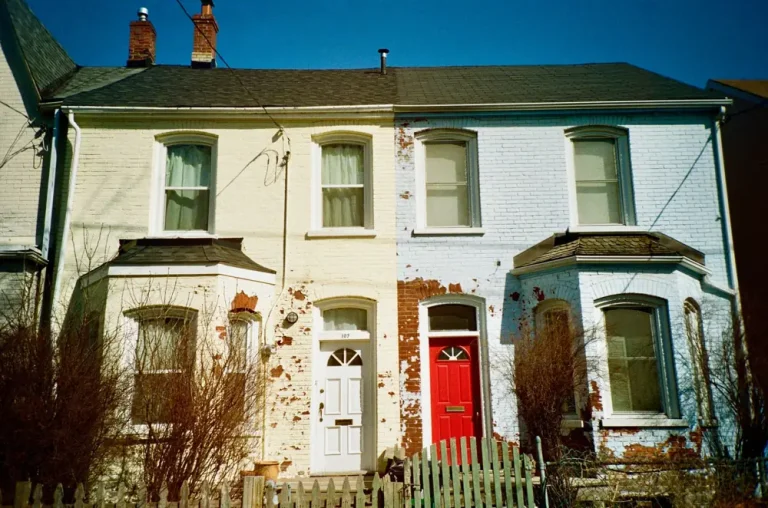
Brick Staining vs Painting Cost Comparison Illinois
By the Home Exterior Cost Guides Editorial Team — reviewed for accuracy. Last updated October 2026. This article is for informational purposes and reflects typical market pricing; verify current details with licensed contractors before starting any project.
Brick stain prices $1.80-$4 and paint $2-$5 per square foot in Illinois — breathability is the difference that decides which system serves the masonry decade.
This comparison prices both systems honestly: the similar upfronts, the vapor physics that separates them, and the permanence that prices the reversal.
Brick Staining vs Painting Cost Comparison Illinois — At a Glance for US
Brick staining runs $1.8–$5.0 per square foot; painting runs $2-$5 — breathability decides the difference. This is a realistic planning number for the United States in 2026, not a marketing low-ball.
| Line Item | Typical Range (USD) | What Drives It |
|---|---|---|
| Brick staining per sq ft | $1.8–$4.0 | Penetrating mineral absorbed by masonry |
| Brick painting per sq ft | $2.0–$5.0 | Film sitting on the surface |
| Masonry prep both | $0.5–$1.2 | Cleaning adhesion requires |
| Stain color samples | $50–$150 | Mineral palette testing |
| Paint primer | $0.6–$1.5 | Masonry adhesion primer |
Understanding Brick Staining vs Painting Cost Comparison Illinois
The upfronts run similar: stain $1.80-$4, paint $2-$5 per square foot. Illinois masonry carries hard freeze-thaw cycles — breathability decides which system survives the decade.
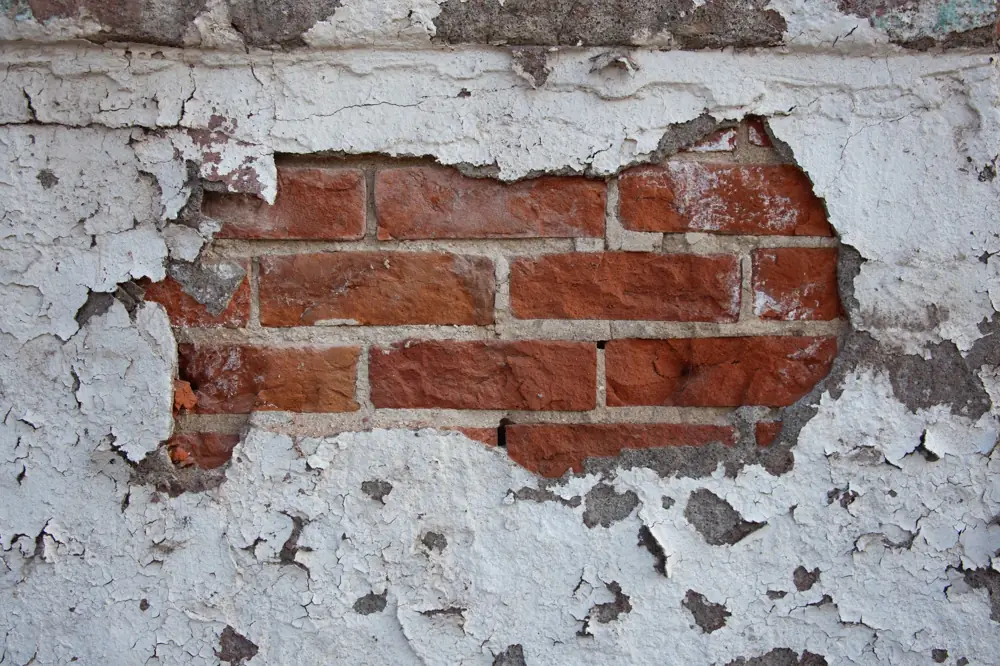
Stain penetrates and bonds mineral-to-mineral: vapor escapes and spalling is avoided. Paint films sit on the surface: trapped moisture spalls brick through Illinois winters and peels within 5-7 years.
What Moves the Price Up or Down
The comparison moves with masonry condition, the vapor physics, and the permanence that prices the reversal.
| Factor | Cost Impact | Detail |
|---|---|---|
| Breathability | the deciding factor | Vapor escapes stain; paint traps it |
| Freeze-thaw cycle | spall risk | Illinois winters spall trapped moisture |
| Reversal | stain semi-permanent | Stripping stain is near-impossible |
| Masonry condition | +15-30% | Efflorescence and repointing prep |
| Color change depth | ±10% | Stain translucency limits lightening |
Brick Coating Systems Compared
The honest comparison prices three systems — vapor physics decides.
| Option | Description | Best For | Cost Level |
|---|---|---|---|
| Mineral brick stain | Penetrating and breathable | Illinois masonry, decade service | $1.80-$4/sq ft |
| Limewash | Traditional, breathable, ages gracefully | Historic patina | $1.50-$3.50/sq ft |
| Masonry paint | Opaque film on the surface | Full color change | $2-$5/sq ft |
Mineral stain serves Illinois honestly — breathable systems survive the freeze-thaw that peels films.
Three Realistic Project Scenarios
The stain refresh — $3,600–$6,400
A 2,000-foot brick home wanting mineral stain.
- Clean and sample — $400–$700
- Mineral stain two coats — $3,200–$5,700
Why this matters: Stain serves the decade: breathable systems survive the freeze-thaw.
The limewash historic — $3,000–$5,500
A vintage brick wanting patina.
- Wash and prep — $300–$600
- Limewash two-pass — $2,700–$4,900
Why this matters: Limewash serves the historic: breathable patina ages gracefully.
The paint comparison — $4,000–$8,000
The same home wanting film.
- Prime and paint — $4,000–$8,000
Why this matters: Paint runs the similar upfront; trapped moisture risks the spall and 5-7 year peel.
The scenarios share the structure: upfronts run similar, physics differs, and freeze-thaw decides on breathability.
Sample Budget Breakdown
The table below shows how a typical mid-range budget for brick staining vs painting cost comparison illinois distributes across materials, labor and compliance in the United States. Adjust the percentages to your own scope before using it as a savings target.
| Category | Estimated Amount | Explanation | Optimization Tip |
|---|---|---|---|
| Mineral stain system | $3,200–$5,700 | Breathable decade service | Survives the Illinois winter |
| Limewash alternative | $2,700–$4,900 | Historic patina aging | Reapplication at 5-7 years |
| Paint tradeoff | $4,000–$8,000 | Full opaque color | Trapped moisture risks spalling |
| Contingency | $300–$700 | Repointing sometimes needed | Check the mortar condition first |
Every figure above is an indicative 2026 market range. Final quotes move with site conditions, contractor availability and the exact specification you lock in.
From Quote to Completion: the Typical Timeline
Most brick staining vs painting cost comparison illinois projects follow the same five-stage rhythm. Knowing the calendar before you sign prevents the two classic frustrations — feeling rushed into a deposit, and being surprised by a mid-project gap while materials arrive.
- Week 1-2: color and product selection — The swatch test the sun-side exposure runs; the premium-versus-standard decision the lifespan math prices.
- Permit and HOA where required: 1-4 weeks — Historic districts and some HOAs review colors and products; the approval the calendar waits on.
- Prep and paint: 3-7 days — Wash, scrape, caulk, prime, and the two coats the spec sheet wants — most residential exteriors finish inside a week.
- Inspection and touch-up: 1-2 days — The walk the missed trim and the holidays (lights) reveal; the touch-up the warranty documents.
- Week 0: measure and three quotes — The measured area and the itemized quotes the comparison runs on; per-square-foot normalization the same day.
Smart Ways to Control the Budget
Cost control on brick staining vs painting cost comparison illinois is mostly about scope discipline and timing. These are the strategies that consistently deliver the largest savings:
Bundle trim, doors, and body
The mobilization and setup the single project shares; the combined quote prices 10-15% under separate visits.
Advantages:
- Directly reduces the controllable parts of the quote
- No impact on quality or compliance when scoped correctly
Disadvantages:
- One bigger contract to review instead of three smaller ones.
- Requires planning lead-time you may not have on urgent timelines
Choose the painter by prep, not portfolio
Crews that wash, scrape, and prime before spraying correlate with decade-lasting finishes; ask for the prep steps in writing.
Advantages:
- Directly reduces the controllable parts of the quote
- No impact on quality or compliance when scoped correctly
Disadvantages:
- The thorough crews are booked out — the wait is the price of the good ones.
- Requires planning lead-time you may not have on urgent timelines
Price by the square foot, not the paint can
The $2.50 versus $4.50 per-square-foot spread the same 2,000-foot house collects; the normalization the comparison runs on. The honest quote measures first.
Advantages:
- Directly reduces the controllable parts of the quote
- No impact on quality or compliance when scoped correctly
Disadvantages:
- Requires the tape walk — the measurement the estimator runs.
- Requires planning lead-time you may not have on urgent timelines
Paint in the shoulder seasons
Exterior coatings price softest in late spring and early fall when crews chase work between peak contracts; the calendar discipline the $500 saving wants.
Advantages:
- Directly reduces the controllable parts of the quote
- No impact on quality or compliance when scoped correctly
Disadvantages:
- Weather windows constrain scheduling — the humidity and temperature the label specifies.
- Requires planning lead-time you may not have on urgent timelines
Permits, Rules and Safety
Both systems skip permits; historic districts review masonry color changes — original brick preservation the commissions want.
- HOA and historic-district color reviews bind some properties: the palette approval the covenants and commissions want.
- Lead-safe rules bind pre-1978 homes: the certified renovator the EPA RRP rule requires — the documentation the compliance prices.
- Painting itself usually skips permits — the scope the maintenance exemption covers.
Maintenance and Long-Term Ownership Costs
The project price is only the first line of the budget. These recurring items are what owners in the United States actually spend money on after the crews leave:
| Task | Frequency | Typical Cost | Why It Matters |
|---|---|---|---|
| Touch-up painting | Every 4-6 years | $300-$800 | The sun-facing walls the UV ages first; the spot repaint the full repaint postpones. |
| Full repaint | Every 7-10 years | $3,000-$8,000 | The chalk the oxidation writes; the repaint the lifespan math schedules. |
| Paint film audit | Yearly | Free | The peeling and blistering the adhesion failure telegraphs; the fix the early catch prices. |
| Wash and mildew check | Yearly | $150-$350 | The grime the pressure wash removes; the mildew the shade side grows. |
Mineral stain lasts 15-20 years; limewash re-applies at 5-7; paint peels on a 5-7 calendar. Illinois freeze-thaw fails films earliest.
Frequently Asked Questions
Is it cheaper to stain or paint brick?
Upfronts run similar: stain $1.80-$4, paint $2-$5 per square foot. Lifespans differ — stain serves a decade, paint repaints at 5-7 years.
Can stained brick be removed?
Practically no — mineral bonds to masonry permanently. The decision is near-irreversible, priced honestly.
Does painted brick damage the brick in Illinois?
Trapped moisture spalls through freeze-thaw — films block vapor. Stain breathes and avoids it.
How long does brick stain last?
Mineral systems run 15-20 years; limewash 5-7. Illinois weather, quality, and application decide the lifespan.
Can I change brick color with stain?
Translucency limits the depth — stain darkens effectively, lightens less. Sample the palette before committing.
Summary
Planning brick staining vs painting cost comparison illinois in the United States starts with an honest range — $1.8–$5.0 for the scenarios most households actually install — then works backwards through the breathability that decides, the similar upfronts with differing physics, and the permanence that prices reversal.
Stain serves the masonry decade; paint trades breathability for color. Illinois winters demand the breathable choice. Collect at least three itemised quotes, confirm the permit path before signing, and hold a 10–15% contingency for site surprises. Those three habits protect more budget than any product choice.